
On December 18, 2025, the President issued an executive order ordering the Attorney General to expedite the process of rescheduling cannabis from a Schedule I drug to a Schedule III drug. This process has been underway for the past two years and signals a massive shift in the way that people will view cannabis in the foreseeable future.
However, the rescheduling has brought with it a lot of questions from users and non-users alike. Asking what rescheduling means for them, for the industry and, more importantly for their product.
As your source of all things cannabis we’re here to try and answer those questions and help you understand and navigate this process.
What are Schedule I and Schedule III drugs and why was Cannabis re-scheduled?
All drugs in the United States are classified by the Drug Enforcement Administration (DEA) into one of 5 categories based on the drugs accepted medical use and its potential for dependency or abuse.
A Schedule I drug is defined as a drug with no acceptable medical use and a high potential for dependency or abuse. Some Schedule I drugs are heroin, LSD, and ecstasy.
A Schedule III drug is one that has medically accepted uses as well as moderate to low potential for dependency for abuse. ketamine, anabolic steroids, and testosterone are all defined as Schedule III.

Cannabis was recommended for rescheduling after the Food and Drug Administration (FDA) found scientific support for its use in treatment of pain, nausea, vomiting and more.
**It’s important to note that the December 18th executive order does not officially reschedule cannabis, only orders the attorney general to speed up the process. As of publishing, Cannabis is still classified as a Schedule I substance.
Will this affect me as a consumer?
The short answer is no, cannabis rescheduling should not affect the consumer. It should not change the consumer access to their product and it shouldn’t change the price either.
This change will ultimately affect the dispensaries, brands, and pharmaceutical research organizations. This will affect dispensaries and brands in the way that they are taxed. Rescheduling will also allow a lot more opportunities for clinical and pharmaceutical research into the effects of cannabis.
Does this mean that weed is federally legal?
Unfortunately, no. Rescheduling does not make cannabis legal on a federal level. All of the state laws that are currently in place still apply.
What does this mean for people imprisoned for Schedule I Drug Possession?
It’s unclear. There are currently tens of thousands of people who are currently incarcerated for cannabis related offences, many of them have convictions related to possession of a Schedule I substance. While rescheduling is not decriminalization, it does beg the question, should those who are convicted of possession of cannabis as a Schedule I drug have their cases reassessed in the wake of the DEAs reassessment of cannabis.
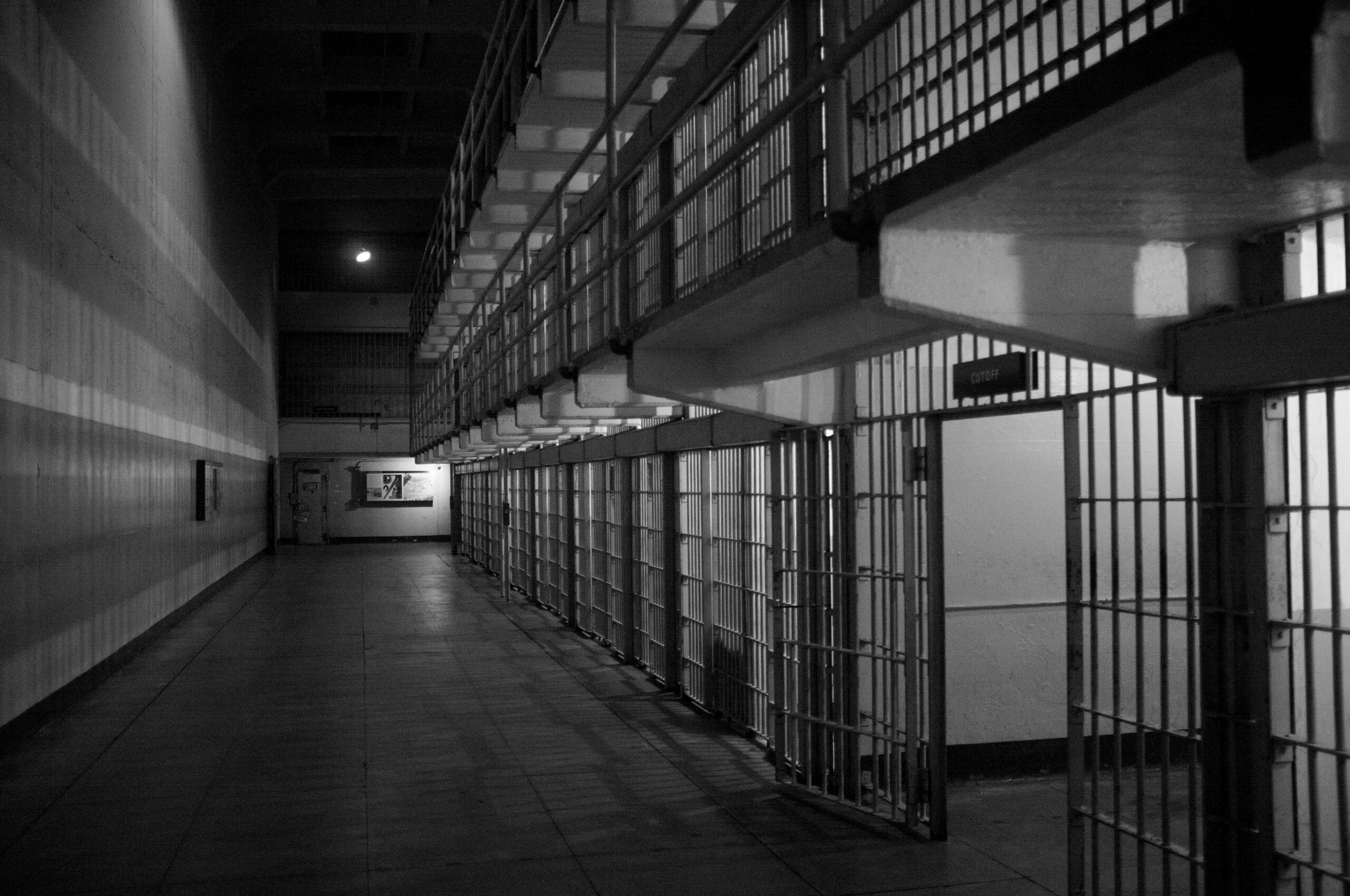
If this is something that you feel strongly about, there are organizations like The Last Prisoner Project and NORML that are working towards prison and legislative reform in the cannabis space.
How will this affect the cannabis industry in the future?
Rescheduling helps to destigmatize cannabis and showcase to the general public all of the medical benefits of this amazing plant. More studies and research will only help improve our understanding of cannabis and all of the different ways that it can be used.
Additionally, the hope is that this is one more step towards federal legalization in the United States. Anything that can help change public opinion is another step towards changing policy.