Resin vs. Rosin: What’s the Difference?
If you’ve spent any time exploring cannabis concentrates, you’ve probably come across the terms resin and rosin. While the names sound very similar, these two concentrates are made using very different processes, and those differences can affect your overall experience.
So what’s the difference between resin and rosin?
What Is Resin?
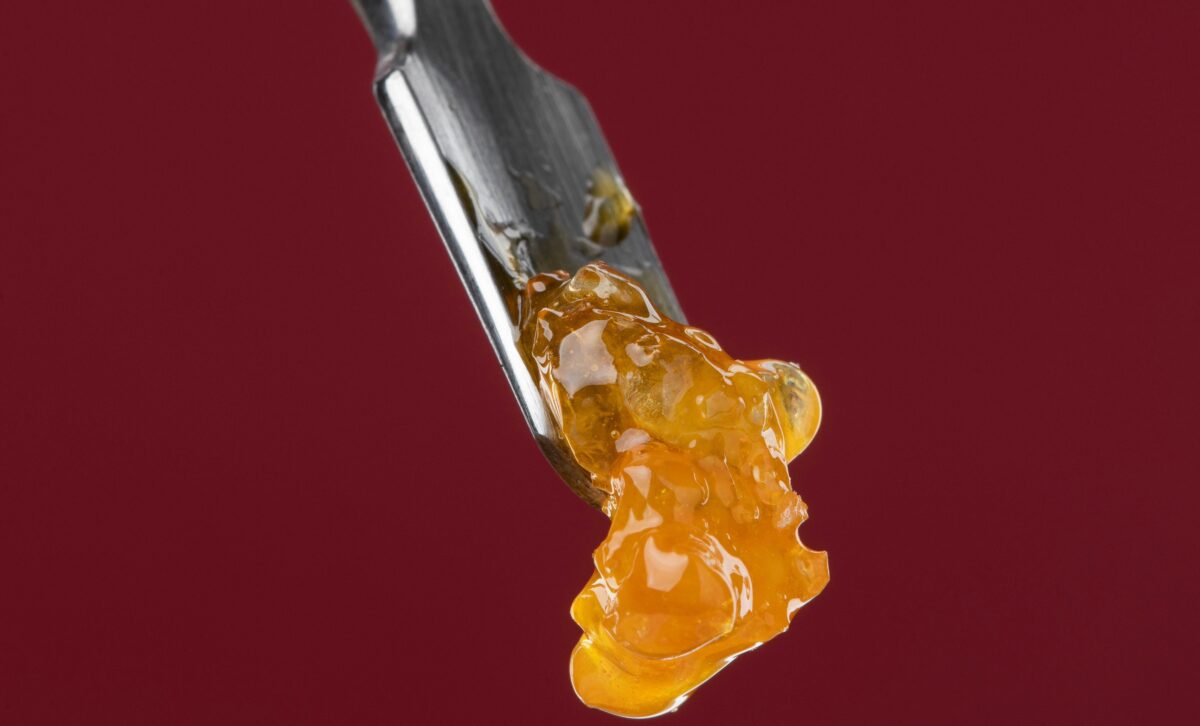
Resin is a concentrate made by extracting cannabinoids and terpenes from cannabis plant material. The term can refer to several products, but one of the most common is live resin.
Live resin is made using cannabis that is harvested and frozen shortly after being cut, instead of being dried and cured first. Freezing the plant helps preserve the terpenes that are responsible for much of the plant’s smell and flavor.
Live resin is typically produced using a solvent-based extraction process, usually involving hydrocarbons such as butane or propane. The result can have a sticky, saucy, or sugary texture and is known for strong smells and flavor profiles.
For consumers who prioritize terpene-rich experiences and bold flavors, live resin can be a great option.
What Is Rosin?
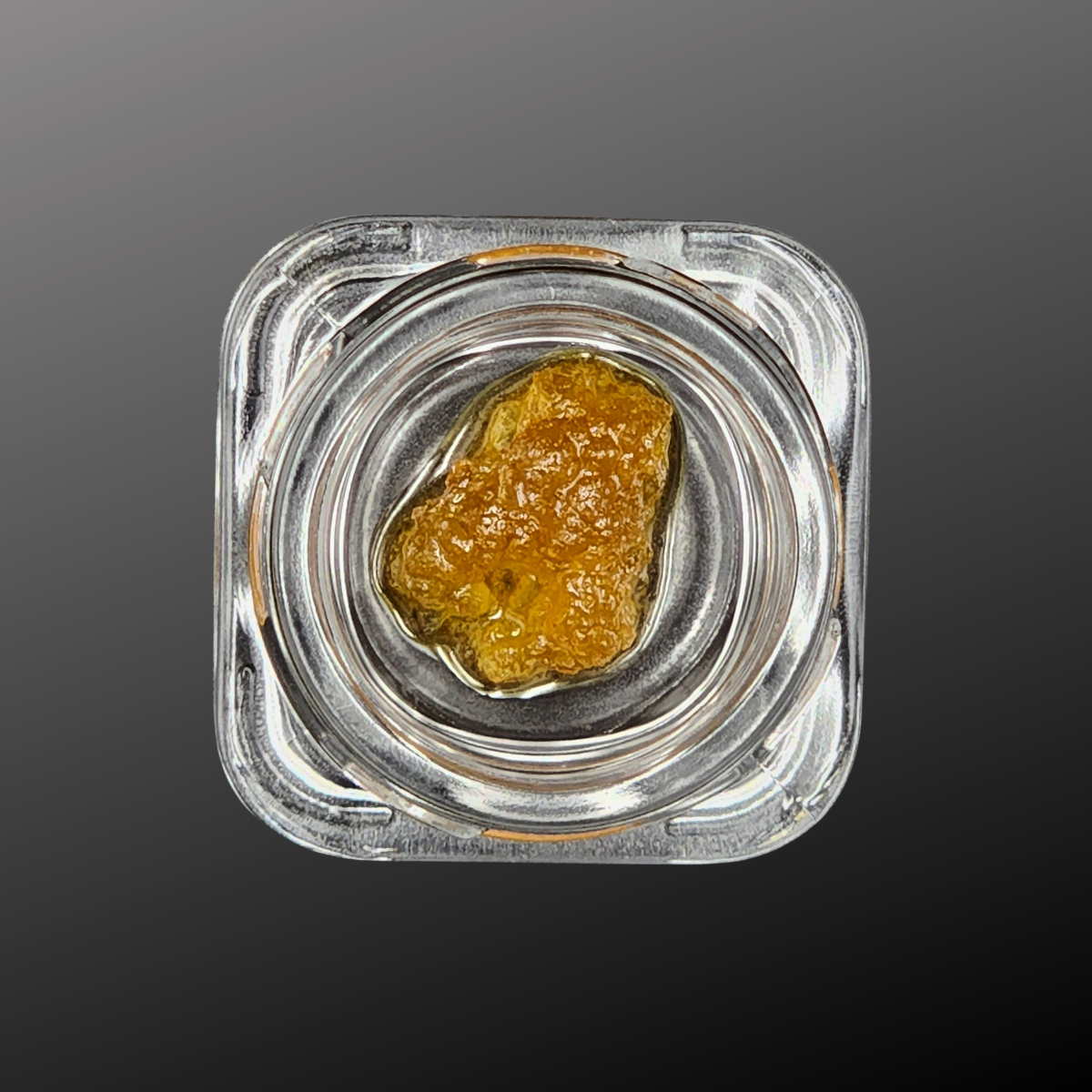
Rosin is different because it is produced without chemical solvents. Instead, heat and pressure are used to separate the resinous compounds from cannabis material.
Like live resin, live rosin starts with fresh cannabis that is frozen shortly after harvest. The frozen material is typically processed into ice water hash before being pressed with controlled heat and pressure to create rosin.
Because it doesn’t rely on hydrocarbon solvents, rosin is often considered a more mechanically derived concentrate. It can have a soft, buttery, or jam-like consistency and is particularly popular among consumers looking for a solventless product.
Resin vs. Rosin at a Glance
The easiest way to remember the difference is the extraction method.
Live Resin:
- Typically uses hydrocarbon solvents
- Made from freshly frozen cannabis
- Known for strong terpene profiles
- Often has a saucy or sticky consistency
- Can offer a flavorful and aromatic experience
Live Rosin:
- Made without chemical solvents
- Uses heat and pressure
- Often begins with fresh-frozen cannabis
- Known for rich flavor and aroma
- Usually has a buttery, creamy, or jam-like texture
Which One Is Better?
There isn’t a universal winner. Choosing between resin and rosin ultimately comes down to personal preference.
If you’re looking for a flavor-forward concentrate with a strong terpene profile, live resin may be worth exploring. If you’re specifically interested in a solventless extraction method, live rosin may be more appealing.
Price can also be a factor. Rosin is often more expensive because producing high-quality solventless concentrates can require significant amounts of premium starting material and specialized processing.
Although resin and rosin have similar names, they’re fundamentally different concentrates. Resin is generally extracted using solvents, while rosin is produced through heat and pressure without chemical solvents.
Both can preserve the cannabinoids and terpenes that make cannabis unique, but the production method, texture, flavor, and price can vary considerably.
The best way to decide which one you prefer? Learn how each is made, pay attention to the product’s lab results and terpene profile, and explore responsibly.